
Agentics Driving Business Model Innovation
Every digital consumer has become intimately familiar with the role of platforms over the past decade. From Uber Eats to Booking.com to Expedia, platforms have inserted themselves into the digital economy by simplifying the endless choices that have become available.
Of course, it is never going to be that simple. A consumer’s digital assistant agent is not really going to be an expert (i.e., have all the necessary integrations in place) for everything from
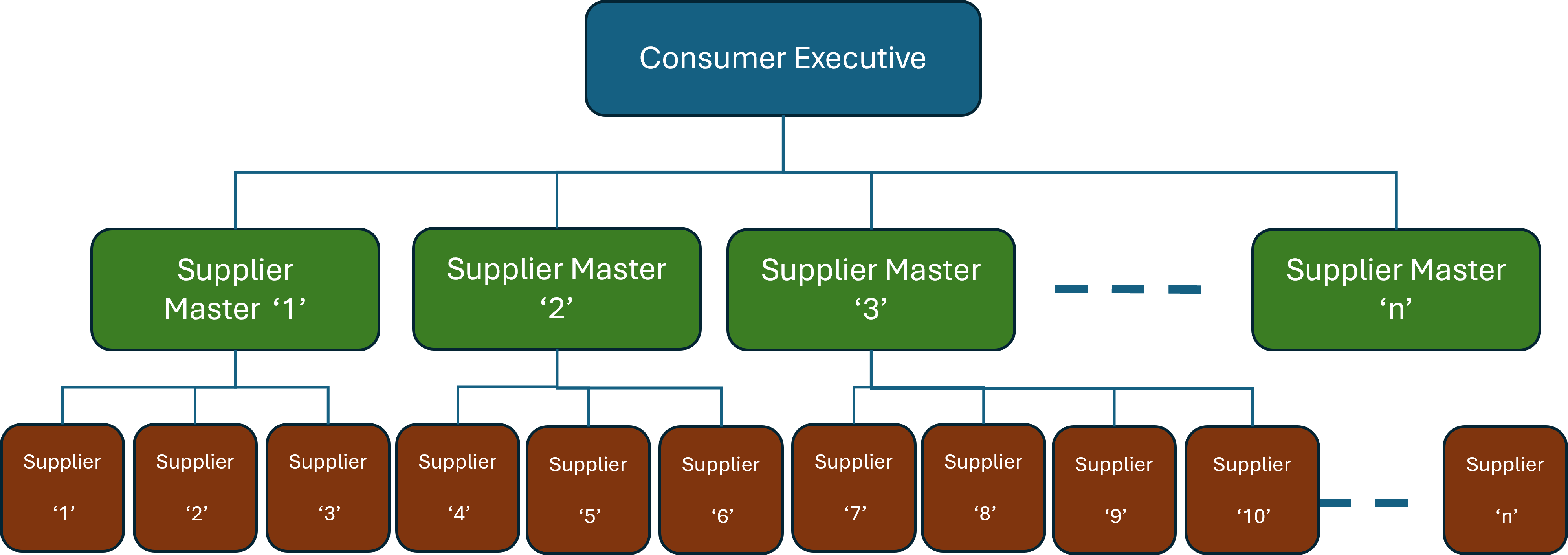
car hire to insurance to restaurant bookings, so we are probably looking at an ecosystem of agents where your personal executive agent interacts with many other specialist agents to get
stuff done.  This opens the door to “agent marketplaces,” where your agent finds other agents to handle a specific job— a bit like a digital gig economy. The specialist niche agents sell their services on a
case-by-case basis to personal master agents in the agentic economy. This creates a very different marketplace business model from the platform business models that currently dominate. Similarly,
the ‘niche’ agents replace the App-economy with very different characteristics from existing apps. Consumers will still be purchasing access to Agents (instead of Apps), but probably on a very
short-term basis. These secondary agents will very rarely interact directly with consumers, instead interacting at high speed with other agents. Topics such as ‘gamification’ and ‘embedded
cross-selling will become irrelevant.
This opens the door to “agent marketplaces,” where your agent finds other agents to handle a specific job— a bit like a digital gig economy. The specialist niche agents sell their services on a
case-by-case basis to personal master agents in the agentic economy. This creates a very different marketplace business model from the platform business models that currently dominate. Similarly,
the ‘niche’ agents replace the App-economy with very different characteristics from existing apps. Consumers will still be purchasing access to Agents (instead of Apps), but probably on a very
short-term basis. These secondary agents will very rarely interact directly with consumers, instead interacting at high speed with other agents. Topics such as ‘gamification’ and ‘embedded
cross-selling will become irrelevant.
Agents as a platform killer
Every digital consumer has become intimately familiar with the role of platforms over the past decade. From Uber Eats to Booking.com to Expedia, platforms have inserted themselves into the digital economy by simplifying the endless choices that have become available. They help consumers find products, services & solutions, while in parallel providing a route to market for sellers. In addition to the transactional value delivered by the platform to the platform owner, the platform generates massive amounts of data through the aggregation process and has the opportunity of monetizing that data with third parties using a variety of business models. The value of the platform economy is estimated to be around 10-15% of all global GDP! That is to say that up to 15% of all global annual spend is executed through a platform. This is a potentially huge prize for anyone who can successfully disrupt this market. And that is what Agentics is threatening to do.
Geoff Parker, Marshall Van Alstyne, and Sangeet Chowdry wrote an excellent book a number of years back called The Platform Revolution, which would be worth reading to really understand the dynamics of the platform business model. One phrase they used in the book was that “…platforms beat products every time…”. I now think that we might be entering a world where “….agents beat platforms every time….”. AI agents pose a significant threat to traditional platform business models.
The first target in the Agentic takeover of platforms will be in the area of online search. AI agents can autonomously search thousands of options across multiple platforms and independent providers without paying attention to advertising or preferences. This results in the platform losing control over discovery and curation, becoming a mere data provider.
Secondly, and most importantly, the AI Agent can disintermediate the platform by bypassing intermediary sites and booking directly with suppliers. By using APIs, email parsing, and browser automation, they can interact directly with accommodation or fast-food providers without the need to pay a transaction tax to the intermediate